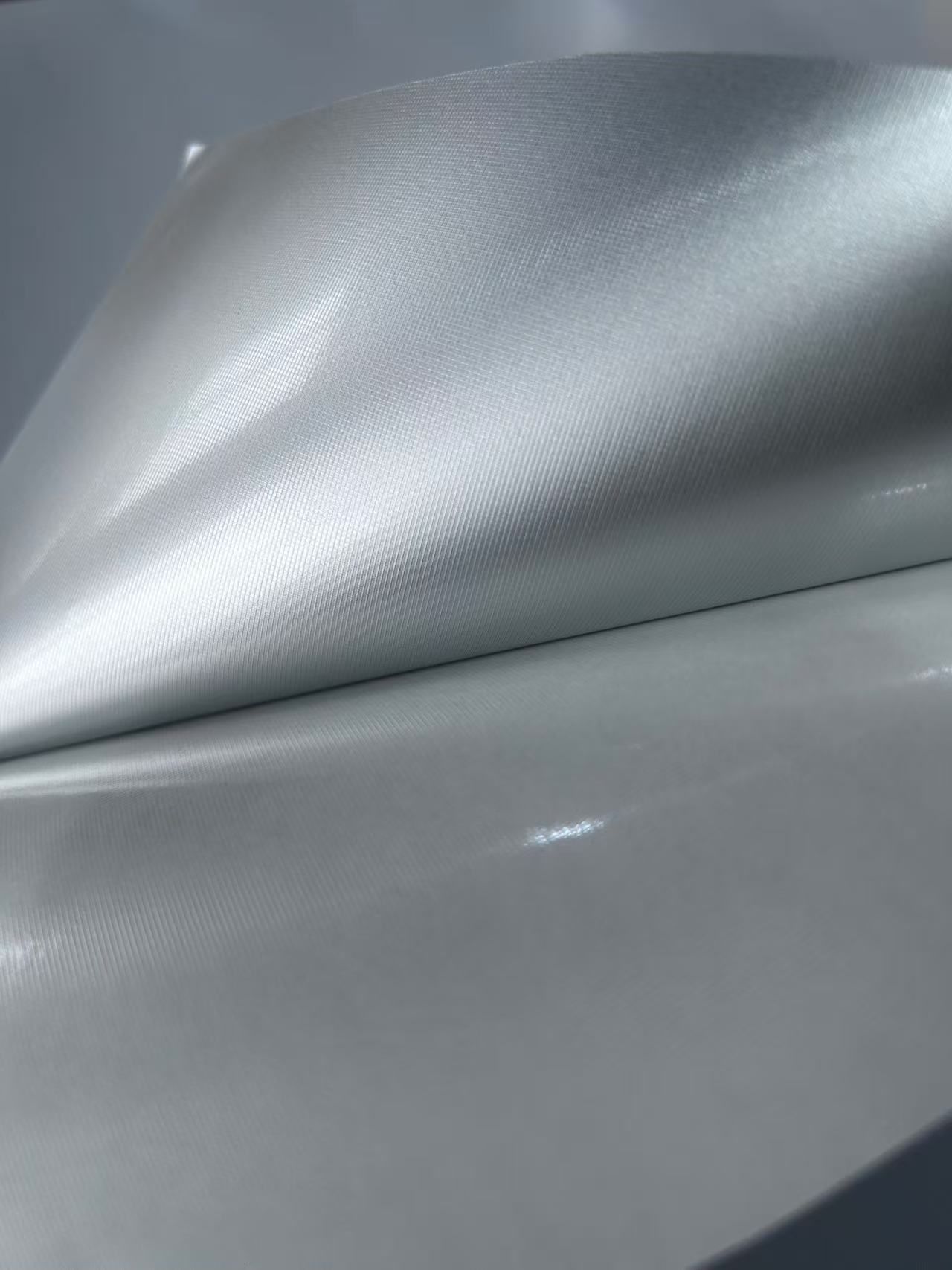
How Flame Retardant Additives Improve Fire Safety in PET Films
Polyethylene terephthalate (PET) films are widely used in packaging, electrical insulation, and industrial applications due to their excellent mechanical and chemical properties. However, their inherent flammability poses significant fire safety concerns in critical environments. This article explores how flame retardant additives enhance the fire safety of PET films, providing crucial protection across industries.
1. Introduction to PET Films and Fire Risks
PET films are valued for their durability, clarity, and thermal stability. They are widely used in applications ranging from food packaging to electrical insulation layers. Despite these advantages, unmodified PET is inherently flammable, with a relatively low ignition point and high smoke emission during combustion.
These characteristics create major safety risks in industries such as construction, electronics, and transportation, where fire resistance is a key requirement. Hence, improving PET fire safety is a pressing concern.
2. What Are Flame Retardant Additives?
Flame retardant additives are chemical compounds integrated into polymer matrices to suppress ignition, slow flame spread, and reduce smoke and toxic gas emissions during combustion.
In flame retardant PET films, these additives function by interrupting the combustion cycle in one or more of the following ways:
- Creating a protective char layer
- Diluting flammable gases
- Absorbing heat
- Releasing inert gases to displace oxygen
3. Types of Flame Retardant Additives for PET Films
PET is a high-temperature processing polymer, so its flame retardants must be thermally stable and compatible with polyester matrices. The most effective PET flame retardant additives include:
- Phosphorus-based compounds: Promote char formation and gas-phase radical quenching.
- Halogen-free systems: Environmentally friendly options with low toxicity.
- Intumescent additives: Expand to form insulating foam during combustion.
- Synergistic blends: Combine multiple flame retardant mechanisms for optimized performance.
Each type offers unique advantages depending on application requirements, processing conditions, and desired fire classifications (e.g., UL 94 V-0, EN 13501).
4. Mechanisms of Flame Retardancy in PET Films
Once incorporated into PET films, flame retardant additives act at various stages of the combustion cycle:
- During heating: Endothermic additives absorb heat, delaying ignition.
- At ignition: Chemical reactions interfere with free radicals in the flame.
- Post-ignition: Formation of a carbonaceous char layer insulates the material.
These mechanisms drastically improve PET fire safety, especially in thin-film applications where flame spread is rapid.
5. Key Benefits of Flame Retardant PET Films
Upgrading PET films with flame retardants leads to:
- Enhanced fire resistance (slower ignition, self-extinguishing behavior)
- Compliance with fire safety regulations
- Reduced smoke toxicity
- Extended application range (e.g., use in aircraft, automotive, and electronics)
- Improved thermal and oxidative stability
By improving these factors, flame retardant PET films become viable in high-risk environments previously dominated by inherently flame-resistant materials.
6. Industrial Applications and Compliance
Industries demanding strict fire safety standards have rapidly adopted PET flame retardant additives to meet compliance with:
- UL 94 (Flammability of Plastic Materials)
- RoHS & REACH (Environmental standards)
- NFPA & ASTM fire safety codes
Applications include:
- Flexible printed circuits
- Solar cell back sheets
- Battery insulation films
- Automotive interiors
- Construction membranes
7. Environmental Considerations
Halogenated flame retardants are increasingly phased out due to environmental and health concerns. Modern PET flame retardant additives prioritize sustainability:
- Non-halogenated
- Low smoke emissions
- Recyclable PET formulations
These innovations align with circular economy goals and green building certifications (e.g., LEED, BREEAM).
8. Future Trends
The next frontier in PET fire safety includes:
- Nanocomposite flame retardants (e.g., nanoclays, graphene)
- Bio-based additives
- Smart retardants that respond dynamically to fire conditions
With continuous research, PET films will evolve into multifunctional, fire-safe materials that meet the complex demands of emerging technologies.
Conclusion
Incorporating flame retardant additives into PET films is a proven strategy for mitigating fire risks without compromising mechanical performance. As industries demand safer, more sustainable materials, flame retardant PET film solutions offer a balanced approach to fire safety, compliance, and innovation.
SEO关键词(40组)
flame retardant PET film, PET fire safety, PET flame retardant additives, UL 94 PET film, halogen-free flame retardant, PET film for electronics, fire-resistant polyester film, PET thermal insulation, high-temperature PET applications, low-smoke PET film, non-toxic flame retardant, recyclable PET, PET insulation sheets, fire-retardant packaging, PET film applications, thermal barrier PET film, PET film chemical resistance, intumescent flame retardants, PET for automotive interiors, flame retardant film industry, phosphorus-based flame retardant, fire safety regulations, PET film safety standards, smoke suppression additives, eco-friendly flame retardant, PET film with UL certification, flexible PET insulation, fire-protective coatings, sustainable PET solutions, PET electrical insulation, PET flame test, fire-safe PET materials, additive masterbatch for PET, high-performance PET film, flame retardant PET sheet, nanocomposite flame retardant, PET films in solar panels, building material PET film, smart flame retardants, fireproof plastic films
READ MORE:
Telephone: 008613530419893
E-mail:marie@selfadhesivefilm.com
ADDRESS (Shenzhen):903-286, Building A2, Guangming Technology Park, China Merchants Group, Guanguang Road, Fenghuang Community, Fenghuang Street, Guangming District, Shenzhen, Guangdong.
ADDRESS (Dongguan): 3rd Building No.45 Yinhu Road Shishuikou Community,Qiaotou Town, Dongguan, Guangdong.


