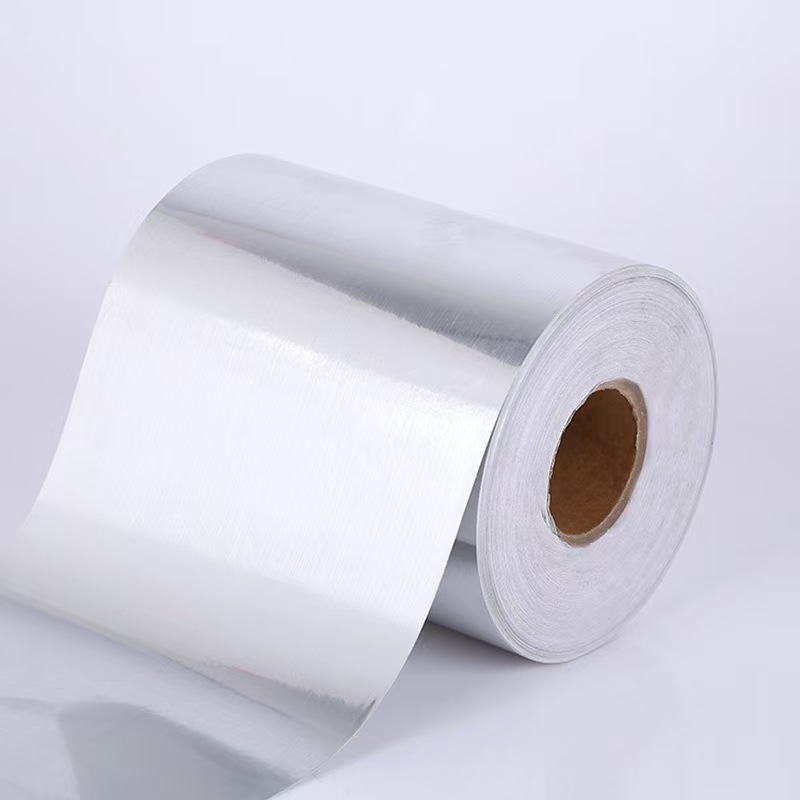
Flame Retardant Mechanisms of PET with Additive-Based Solutions
Polyethylene terephthalate (PET) films are widely used in packaging, electrical insulation, and industrial applications due to their excellent mechanical and chemical properties. However, their inherent flammability poses significant fire safety concerns in critical environments. This article explores how flame retardant additives enhance the fire safety of PET films, providing crucial protection across industries.
1. Why Flame Retardancy Matters in PET Applications
While PET exhibits excellent mechanical, thermal, and chemical properties, its inherent flammability raises concerns in many sectors. When exposed to an ignition source, PET can ignite rapidly, release high heat, and emit toxic gases, which can exacerbate fire hazards.
In industries like construction, electronics, and transportation, safety standards such as UL 94, EN 13501, and FMVSS require materials to meet stringent flammability thresholds. Enhancing the fire retardant PET material becomes crucial for meeting these certifications and ensuring user safety.
2. Overview of Flame Retardant Mechanisms in PET
The PET flame retardant mechanism can be understood by examining how combustion occurs and how additives interrupt this process. Combustion in PET typically follows these stages:
- Thermal decomposition: PET breaks down under heat to release volatile gases.
- Ignition: Released volatiles ignite in the presence of oxygen.
- Flame propagation: The fire sustains itself, leading to material degradation.
To stop or slow this cycle, flame retardants act in three primary domains:
- Condensed phase: They form a char layer that insulates and protects the surface.
- Gas phase: They disrupt the radical chain reactions in flames.
- Endothermic action: Some additives absorb heat, slowing decomposition.
3. Additive-Based Solutions for Fire-Safe PET
Several classes of additives have been developed to improve PET’s flame retardancy, each supporting different aspects of the flame retardant mechanism.
a. Phosphorus-Based Additives
These additives work both in the condensed and gas phases. In the condensed phase, they promote char formation. In the gas phase, phosphorus radicals quench flame radicals. They are effective and often halogen-free, making them eco-friendly choices for modern fire retardant PET material.
b. Intumescent Systems
These create a foamed char layer upon heating, which blocks oxygen and heat transfer. A typical intumescent system includes:
- An acid source (e.g., ammonium polyphosphate)
- A carbon source (e.g., pentaerythritol)
- A blowing agent (e.g., melamine)
Together, they form an expanding barrier to suppress fire.
c. Nitrogen-Based Compounds
Nitrogen synergists like melamine derivatives enhance char stability and gas-phase suppression when combined with phosphorus-based compounds.
d. Nanocomposites
Materials like nanoclays or graphene oxide are used at low concentrations to improve barrier properties and promote better charring behavior. They also reduce smoke emissions and enhance mechanical properties.
4. Advantages of Additive-Based Approaches
Compared to reactive or inherently flame-retardant polymers, additive-based solutions offer several advantages:
- Cost-effectiveness: Additives can be tailored and dosed based on application needs.
- Process flexibility: Additives are compatible with extrusion, film casting, and molding techniques.
- Property balance: Flame retardancy can be achieved without sacrificing strength or clarity.
Additive-based PET flame retardant mechanism solutions provide design flexibility and easier integration into existing production lines.
5. Key Performance Parameters
When evaluating fire retardant PET material, the following performance metrics are assessed:
- Limiting Oxygen Index (LOI): Minimum oxygen concentration needed to sustain combustion. Higher values are better.
- UL 94 Rating: Classifies burning behavior (V-0, V-1, etc.)
- Heat Release Rate (HRR): Measures energy released during combustion.
- Smoke Density and Toxicity: Important for enclosed environments.
Advanced formulations using additive blends can significantly improve all these metrics, making PET films compliant with global safety standards.
6. Applications of Flame Retardant PET
Flame-retardant PET films and components are increasingly used in:
- Electrical insulation: Protecting wires, cables, and circuit boards.
- Automotive interiors: Dashboards, trims, and under-hood applications.
- Solar panel backsheets: Where thermal and flame resistance is essential.
- Battery insulation: Especially in electric vehicles (EVs).
- Building materials: Vapor barriers, acoustic insulation, and more.
7. Future Outlook
The future of PET flame retardancy lies in:
- Halogen-free solutions: Driven by stricter regulations (RoHS, REACH).
- Bio-based flame retardants: Sustainable alternatives to conventional additives.
- Smart additives: Responsive materials that change behavior during fire events.
- Hybrid systems: Combining nano-additives, intumescents, and traditional compounds for multi-functional protection.
Ongoing research is focused on improving compatibility, dispersion, and synergy between different flame retardant systems in PET.
Conclusion
The development of additive-based solutions has revolutionized the way we understand and implement the PET flame retardant mechanism. From phosphorus compounds to nanocomposites, these technologies allow PET to be transformed into a reliable, fire retardant PET material suitable for use in safety-critical industries. As demand for safer, greener materials rises, additive-enhanced PET will play an increasingly vital role in material engineering.
SEO关键词(40组)
PET flame retardant mechanism, fire retardant PET material, flame retardant additives, phosphorus-based flame retardants, intumescent PET systems, nitrogen synergists PET, graphene oxide PET, nanoclay PET film, LOI PET standards, UL 94 PET compliance, low smoke PET film, PET in automotive interiors, recyclable flame retardant PET, halogen-free PET systems, PET thermal barrier film, high-performance PET sheets, PET for battery insulation, PET insulation films, smart flame retardant PET, endothermic additives PET, fire-safe PET insulation, PET in solar backsheet, PET building materials, advanced PET composites, PET nanotechnology in flame retardants, eco-friendly PET fire protection, intumescent flame retardants for PET, low-toxicity PET fire systems, PET for green buildings, PET flame suppression, smart char-forming PET, nano-enhanced PET films, phosphorus-nitrogen PET blends, PET film fire behavior, PET LOI testing, PET smoke density reduction, hybrid PET flame retardants, PET for EV insulation, PET fire testing, PET heat shielding
READ MORE:
- Advanced Strategies for Enhancing PET Flame Retardant Mechanism with Multifunctional Additives
- Comparing Flame Retardant Mechanisms in PET: Traditional vs Additive-Based Solutions
- Engineering Fire Retardant PET Materials: Mechanisms, Challenges, and Innovations
- Optimizing PET Flame Retardant Mechanism Through Phosphorus and Nitrogen Additives
Telephone: 008613530419893
E-mail:marie@selfadhesivefilm.com
ADDRESS (Shenzhen):903-286, Building A2, Guangming Technology Park, China Merchants Group, Guanguang Road, Fenghuang Community, Fenghuang Street, Guangming District, Shenzhen, Guangdong.
ADDRESS (Dongguan): 3rd Building No.45 Yinhu Road Shishuikou Community,Qiaotou Town, Dongguan, Guangdong.


