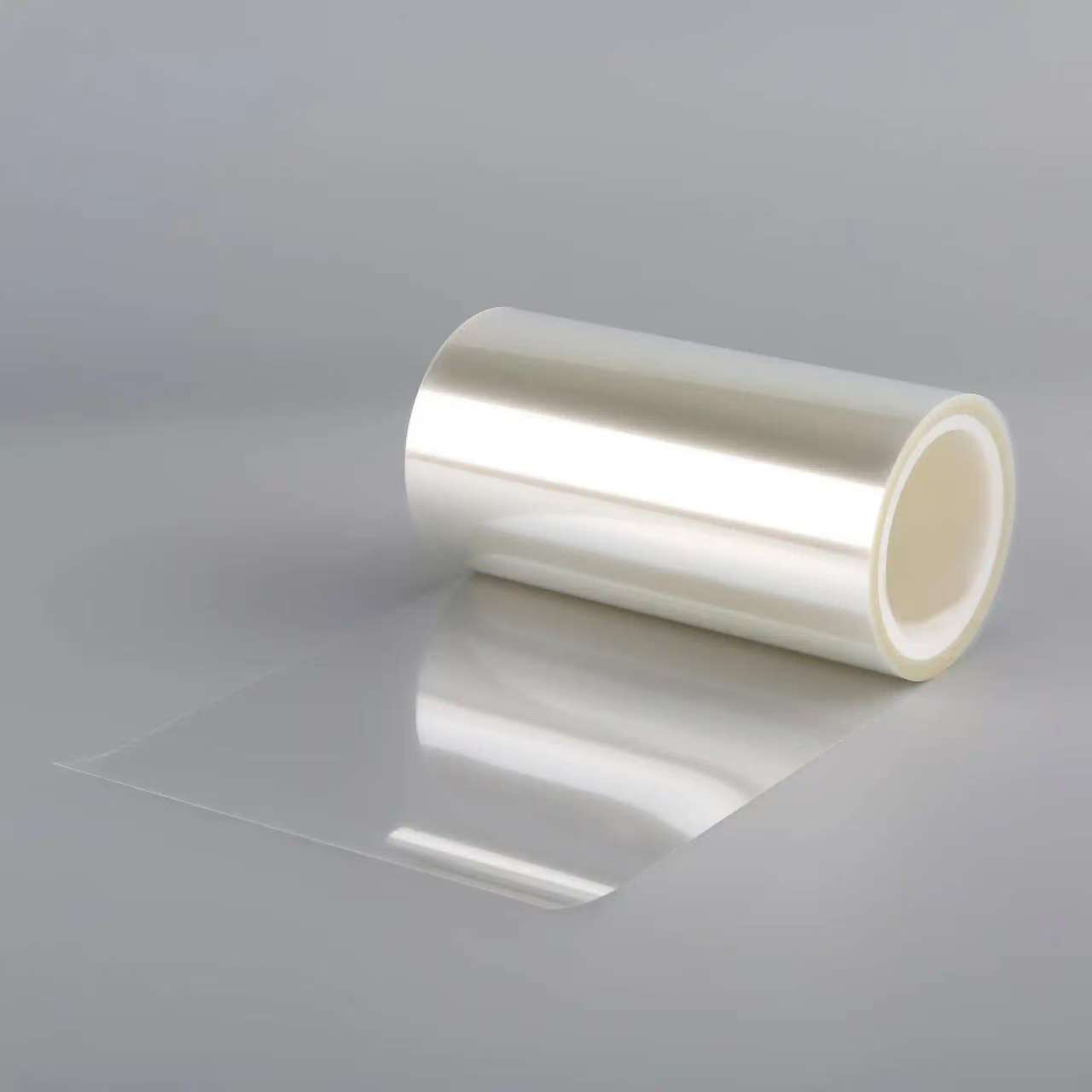
Comparative Analysis of Gas and Condensed Phase Flame Retardants in PET Films
As PET films continue to replace traditional materials in electronics, construction, and packaging, fire safety becomes a critical concern. Engineers and formulators must choose from a range of PET flame retardant types, each offering distinct benefits. Among them, phosphorus flame retardant PET stands out for its ability to function across both gas and condensed phases. This article presents a comparative analysis of these flame retardant mechanisms, exploring which systems offer superior performance in modern applications.
1. Flame Behavior of PET Films
Polyethylene terephthalate (PET) burns rapidly once ignited, exhibiting melt-drip behavior and producing high heat release rates. The combustion process involves:
- Thermal degradation of PET polymer chains
- Release of flammable gases
- Rapid flame spread and smoke production
This profile necessitates reliable flame retardant systems that interrupt the combustion cycle at multiple points.
2. Gas Phase Flame Retardants: Mechanism and Application
These flame retardants release active radicals during decomposition that quench the fire in the gas phase:
- Mechanism: PO· and HPO· radicals intercept high-energy combustion radicals (e.g., H·, OH·)
- Effect: Reduces flame propagation and lowers combustion temperature
Applications:
- Thin PET films in electronics
- Surface-treated PET coatings
- PET films in lighting equipment
Benefits:
- Fast response
- Effective at low loadings
- Minimal impact on optical properties
Limitations:
- Short-lived protection post-ignition
- Limited char formation
3. Condensed Phase Flame Retardants: Mechanism and Application
These systems act by forming a physical char barrier that shields the PET from oxygen and heat:
- Mechanism: Flame retardant decomposes to form carbon-rich, insulating layer
- Effect: Slows pyrolysis and gas emission
Applications:
- PET films in building insulation
- Battery separators and wrap films
- Flexible printed circuit boards
Benefits:
- Long-term protection
- Reduces smoke and dripping
- Improves thermal stability
Limitations:
- May affect transparency and mechanical properties
- Requires higher additive concentration
4. Role of Phosphorus in Dual-Phase Flame Retardancy
Phosphorus flame retardant PET stands out due to its activity in both phases:
- In the gas phase: Phosphorus-derived radicals suppress flame chemistry
- In the condensed phase: Promotes stable, intumescent char layer
Common phosphorus-based additives include:
- DOPO and its derivatives (dual-phase action)
- APP (char forming, condensed phase)
- Phosphinate salts (efficient gas-phase radical trapping)
This versatility enables phosphorus flame retardant PET to meet strict fire standards with less compromise on performance or appearance.
5. Hybrid Formulations: The Best of Both Worlds
State-of-the-art formulations combine phosphorus compounds with other synergists:
- APP + Melamine: Creates intumescent systems with expanding char
- DOPO + Nanoclay: Enhances flame suppression and mechanical reinforcement
- Siloxane-phosphorus hybrids: Boost moisture resistance and char adhesion
These solutions offer top-tier performance in demanding applications like:
- Electric vehicle interiors
- Smart device enclosures
- Green building materials
6. Regulatory Trends and Material Selection
Modern regulations demand halogen-free, low-toxicity flame retardants. Phosphorus flame retardant PET supports:
- RoHS and REACH compliance
- Low smoke and drip rates
- Eco-friendly certification goals
Conclusion
In comparing gas vs condensed phase flame retardants for PET films, both strategies offer unique advantages. Gas-phase systems act quickly within the flame, while condensed-phase solutions provide structural protection and reduced smoke. Phosphorus flame retardant PET delivers the benefits of both, making it the preferred option for manufacturers prioritizing fire safety, sustainability, and performance.
SEO关键词(40组)
PET flame retardant types, phosphorus flame retardant PET, gas phase PET flame additives, condensed phase PET char systems, dual-phase PET fire protection, PET intumescent flame retardants, PET UL 94 compliant films, PET fire-safe construction materials, PET electronics flame safety, PET smart device fire films, PET halogen-free additives, PET REACH compliant flame systems, PET with nanoclay fire retardants, PET DOPO-based flame protection, PET thermal barrier layers, PET insulation for EVs, PET battery wrap flame resistance, PET lighting safety films, PET optical clarity with fire protection, PET eco-friendly flame retardants, PET fire-safe hybrid systems, PET green building fire sheets, PET flexible printed circuits fire resistance, PET flame resistance innovation, PET smart polymer flame protection, PET low smoke formulation, PET phosphorus synergist systems, PET fire safety testing additives, PET construction code fire standards, PET UL V-0 flame retardants, PET fire drip suppression, PET safety in electronics, PET building envelope flame retardant, PET electrical insulation flame protection, PET non-halogen fire additives, PET intumescent fire-safe films, PET multifunctional flame systems, PET low-toxicity fire solutions
READ MORE:
Telephone: 008613530419893
E-mail:marie@selfadhesivefilm.com
ADDRESS (Shenzhen):903-286, Building A2, Guangming Technology Park, China Merchants Group, Guanguang Road, Fenghuang Community, Fenghuang Street, Guangming District, Shenzhen, Guangdong.
ADDRESS (Dongguan): 3rd Building No.45 Yinhu Road Shishuikou Community,Qiaotou Town, Dongguan, Guangdong.


