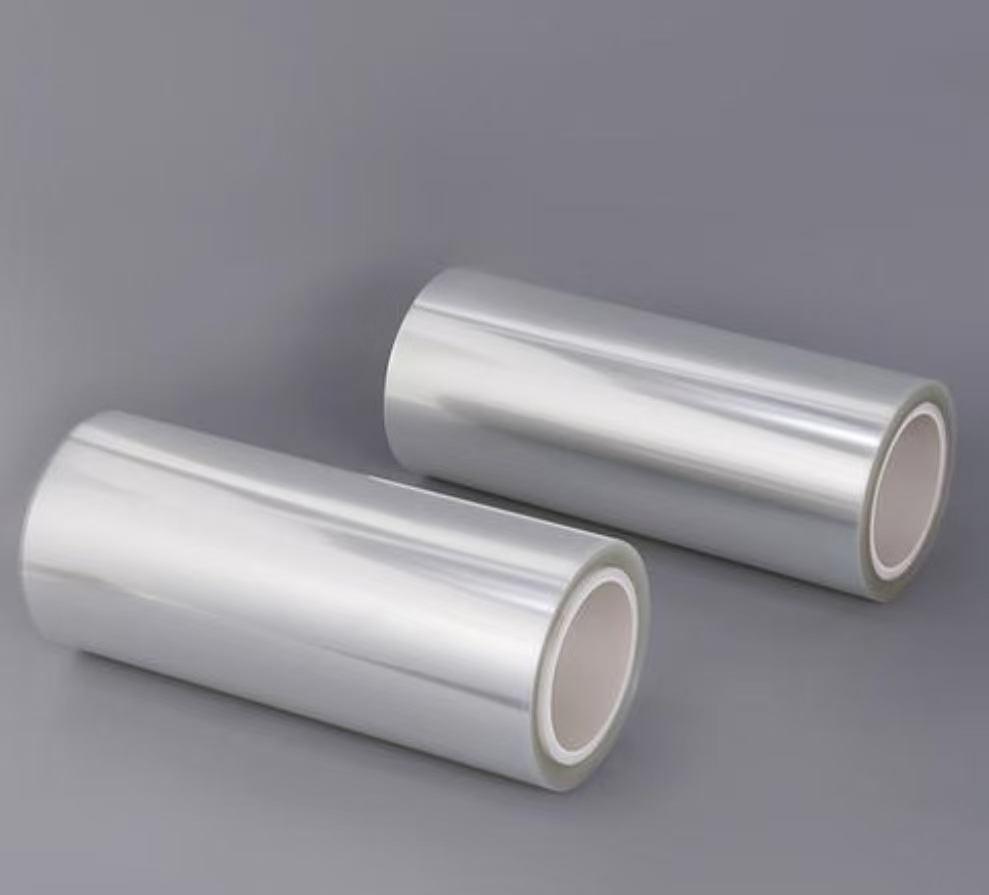
Synergistic Use of Gas and Condensed Phase Flame Retardants in PET Films
Flame retardant innovation has taken center stage in the development of high-performance polyethylene terephthalate (PET) films. As fire safety standards become increasingly stringent, engineers are leveraging both gas-phase and condensed-phase mechanisms to design optimized solutions. This article investigates the synergy between these PET flame retardant types with a focus on the role of phosphorus flame retardant PET systems.
1. Combustion Characteristics of PET Films
PET films are prone to ignition and melt dripping, releasing significant heat and flammable volatiles. A robust flame retardant system must intervene during ignition, combustion, and material degradation. Dual-mechanism flame retardants accomplish this by interrupting both physical and chemical pathways of fire propagation.
2. Gas Phase Mechanism in PET Flame Retardancy
Gas-phase flame retardants function primarily in the flame zone by neutralizing free radicals responsible for chain reactions in combustion.
- Mechanism: Free radicals like H· and OH· are intercepted by phosphorus-derived species (e.g., PO·, HPO·).
- Effect: Flame propagation slows due to the collapse of radical chains.
Phosphorus flame retardant PET using organophosphorus additives such as DOPO can act in the gas phase without introducing halogen toxicity.
3. Condensed Phase Mechanism in PET Films
Condensed-phase retardants work on the PET substrate, forming char or barrier layers that inhibit heat and gas transfer.
- Mechanism: Upon decomposition, additives like APP dehydrate and create a foamed carbonaceous layer.
- Effect: The underlying PET is shielded from further heat exposure.
This approach not only prevents flame spread but also enhances structural stability during thermal events.
4. Why Combine Gas and Condensed Phase Mechanisms?
While gas-phase additives act rapidly to suppress flames, their protection is temporary. Condensed-phase systems, though slower to activate, provide lasting thermal defense. A synergistic system that combines both is often more effective.
Benefits of combined PET flame retardant types include:
- Lower additive loading for equivalent fire resistance
- Improved mechanical properties of PET films
- UL 94 V-0 compliance with less smoke and toxicity
Phosphorus flame retardant PET benefits from this synergy, offering both gas-phase radical suppression and condensed-phase char promotion.
5. Material Innovations Driving Dual-Phase Flame Retardants
- DOPO Derivatives: Active in both phases with high thermal stability
- APP + Melamine Systems: Expand into intumescent layers for condensed-phase defense
- Nanohybrids: Incorporate clays or graphene oxide to improve barrier properties
- Silicone-Phosphorus Compounds: Enhance char quality and promote gas-phase inhibition
These advanced systems are used in phosphorus flame retardant PET films for electronics, solar panels, and EV components.
6. Case Study: Flame Retardant PET in Smart Device Films
In smartphone displays, PET layers require fire protection without sacrificing optical clarity. A dual-phase solution using DOPO and nanoclays enables:
- High light transmittance
- V-0 level fire safety
- Minimal impact on film strength
Such PET flame retardant types are optimized for consumer electronics and LED insulation films.
7. Sustainability and Safety Considerations
As halogenated compounds are phased out, phosphorus-based systems dominate due to:
- Low smoke generation
- REACH and RoHS compliance
- Improved recyclability
This makes phosphorus flame retardant PET an environmentally friendly choice for demanding applications.
Conclusion
The synergy between gas-phase and condensed-phase flame retardants is redefining the future of PET safety. By integrating both mechanisms into a single system, manufacturers can achieve performance targets without compromising sustainability or material quality. PET flame retardant types based on phosphorus compounds provide this dual-action benefit, elevating fire resistance across critical industries.
SEO关键词(40组)
PET flame retardant types, phosphorus flame retardant PET, dual-phase flame retardants, gas phase PET suppression, condensed phase PET protection, PET DOPO derivatives, PET intumescent layers, APP flame retardant PET, PET for electronic displays, PET halogen-free safety, PET nanoclay flame retardants, PET smart phone fire safety, PET fire-safe films, PET UL 94 V-0 additives, PET mechanical strength fire protection, PET transparency flame resistance, PET solar panel films, PET insulation innovation, PET nanocomposites fire, sustainable flame retardant PET, PET with low smoke, PET intumescent hybrid systems, PET smart device fire protection, PET thermal barrier films, PET eco-friendly flame additives, PET non-toxic fire retardants, PET advanced materials, PET silicone-phosphorus flame resistance, PET high LOI fire performance, PET green compliance films, PET building insulation flame retardant, PET fire-safe construction sheets, PET electronics safe films, PET film fire standards, PET safe battery packaging, PET optical clarity and fire safety, PET dual-phase innovation, PET flame resistant film technology
READ MORE:
Telephone: 008613530419893
E-mail:marie@selfadhesivefilm.com
ADDRESS (Shenzhen):903-286, Building A2, Guangming Technology Park, China Merchants Group, Guanguang Road, Fenghuang Community, Fenghuang Street, Guangming District, Shenzhen, Guangdong.
ADDRESS (Dongguan): 3rd Building No.45 Yinhu Road Shishuikou Community,Qiaotou Town, Dongguan, Guangdong.


