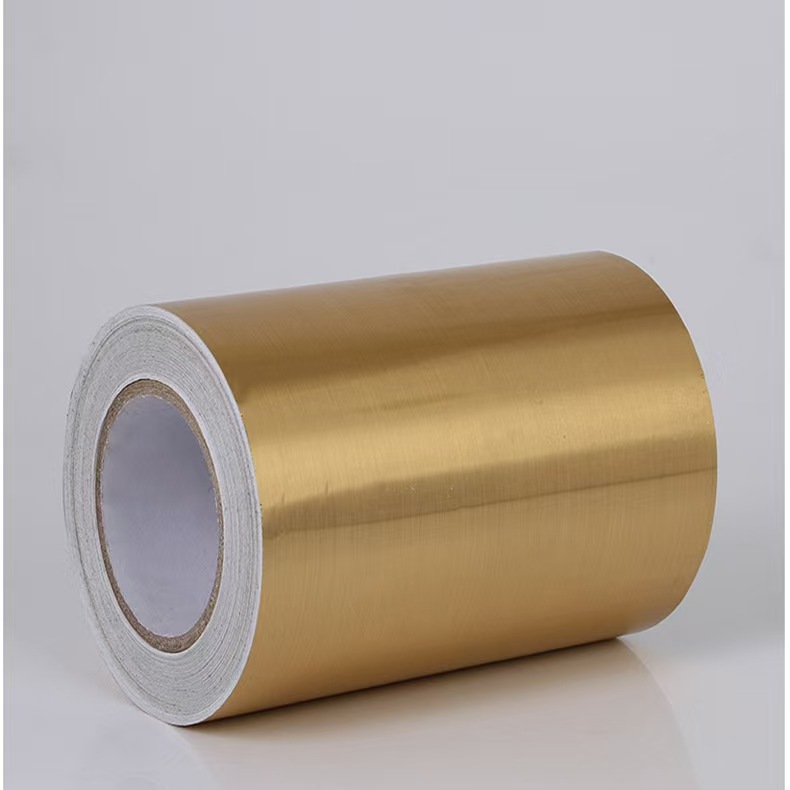
Engineering Fire Retardant PET Materials: Mechanisms, Challenges, and Innovations
PET (Polyethylene Terephthalate) is a versatile polymer, but its fire risk has spurred considerable research into making it safer. With rising fire safety regulations across industries, the demand for fire retardant PET material has intensified. This article provides an in-depth exploration of the PET flame retardant mechanism, key additive technologies, and the latest innovations for achieving optimal fire resistance in PET-based applications.
1. The Fire Challenge with PET
PET, though valued for its mechanical strength, clarity, and thermal resistance, is inherently flammable. When ignited, it melts, drips, and burns with a high heat release rate—posing safety concerns in electronics, automotive, and building materials.
Without additives, PET tends to:
- Ignite quickly at ~450°C
- Sustain burning
- Produce molten drips that can spread fire
- Emit toxic gases (e.g., CO, CO₂, hydrocarbons)
Overcoming these limitations requires a strong grasp of the PET flame retardant mechanism.
2. How the PET Flame Retardant Mechanism Works
The PET flame retardant mechanism involves interrupting the combustion process in strategic ways. Additives work through three main pathways:
a. Physical Barrier Formation (Condensed Phase)
Additives promote the formation of a protective char or insulating layer on the polymer surface. This layer slows heat transfer and prevents the release of flammable gases.
b. Radical Quenching (Gas Phase)
Some additives decompose to release molecules that neutralize flame-sustaining free radicals (e.g., H·, OH·), effectively suppressing the flame.
c. Heat Absorption (Endothermic Decomposition)
Certain compounds absorb energy during decomposition, lowering the overall heat within the system and delaying ignition.
These mechanisms collectively reduce heat release, flame spread, and smoke generation, transforming PET into a viable fire retardant PET material.
3. Additive Classes for Fire-Safe PET
- Phosphorus-based additives (e.g., DOPO, ammonium polyphosphate): Enable char formation and radical suppression.
- Nitrogen-based compounds (e.g., melamine derivatives): Act as gas-phase diluents and char synergists.
- Intumescent systems: Swell under heat to form expanded carbon foams, ideal for surface protection.
- Nanofillers (e.g., montmorillonite clay, graphene oxide): Improve thermal barrier properties and structural reinforcement.
- Expandable graphite: Creates worm-like intumescent structures on heating.
The formulation depends on end-use requirements and processing methods.
4. Challenges in Flame Retardant PET Development
While many flame retardant solutions exist, engineers face several challenges:
- Maintaining Mechanical Properties: Additives can reduce tensile strength or elongation.
- Dispersion and Compatibility: Nanoparticles and halogen-free additives must be well-dispersed to avoid agglomeration.
- Transparency Requirements: In packaging and optical applications, maintaining clarity is critical.
- Processing Conditions: Some additives degrade at PET’s processing temperatures (~260°C), affecting performance.
Overcoming these challenges requires careful additive selection and process control.
5. Case Study: Fire Retardant PET in Electric Vehicles
In EV battery systems, fire retardant PET materials are used in:
- Battery cell separators
- Wrapping films
- Cable insulation
These components must meet:
- UL 94 V-0 flammability standards
- Low smoke and toxicity requirements
- High dimensional and thermal stability
Formulations often blend phosphorus-nitrogen systems with nanofillers to achieve these performance targets.
6. The Environmental Angle
Environmental regulations increasingly discourage halogenated flame retardants. As a result, manufacturers are shifting to:
- Halogen-free solutions (e.g., APP, MPP)
- Bio-based flame retardants
- Recyclable PET composites
This trend reinforces the need for sustainable fire retardant PET material design strategies.
7. Future Innovations in PET Flame Retardancy
Emerging innovations in PET flame retardancy include:
- Molecularly engineered flame retardants: Tailored for specific degradation pathways.
- Microencapsulation: Encasing flame retardants in polymer shells for better dispersion and controlled release.
- 3D nanonetworks: Structurally integrated barriers that resist combustion.
- Flame-retardant copolymers: Chemically modifying PET for built-in flame resistance.
These approaches enhance the PET flame retardant mechanism while preserving the polymer's desirable properties.
Conclusion
Developing efficient fire retardant PET materials involves an intricate balance between safety, performance, and sustainability. Through a combination of char-forming agents, radical suppressors, and novel technologies, the PET flame retardant mechanism can be optimized to meet global standards. With growing demand for high-performance materials in electric vehicles, electronics, and green buildings, the future of flame retardant PET is both essential and promising.
SEO关键词(40组)
PET flame retardant mechanism, fire retardant PET material, intumescent additives PET, phosphorus flame retardants, nitrogen char synergist PET, graphene oxide in PET, halogen-free PET, UL 94 PET compliance, PET in EV batteries, low smoke PET film, PET for thermal protection, smart flame retardants for PET, PET with expandable graphite, PET for building safety, fire-safe PET composites, recyclable flame retardant PET, PET performance additives, PET melt dripping suppression, endothermic flame retardants, PET nanocomposites, PET electrical insulation films, fire barrier PET coatings, bio-based flame retardant PET, PET with high LOI, PET fire suppression, PET durability under flame, PET fire classification, PET transparency and flame resistance, PET for packaging safety, PET automotive interior safety, flame inhibition in PET materials, PET non-toxic fire retardants, PET wiring applications, eco-compliant PET film, heat shielding PET film, thermal barrier PET sheets, PET film for electronics, PET with mechanical strength, advanced PET innovation
READ MORE:
- Advanced Strategies for Enhancing PET Flame Retardant Mechanism with Multifunctional Additives
- Comparing Flame Retardant Mechanisms in PET: Traditional vs Additive-Based Solutions
- Optimizing PET Flame Retardant Mechanism Through Phosphorus and Nitrogen Additives
- Flame Retardant Mechanisms of PET with Additive-Based Solutions
Telephone: 008613530419893
E-mail:marie@selfadhesivefilm.com
ADDRESS (Shenzhen):903-286, Building A2, Guangming Technology Park, China Merchants Group, Guanguang Road, Fenghuang Community, Fenghuang Street, Guangming District, Shenzhen, Guangdong.
ADDRESS (Dongguan): 3rd Building No.45 Yinhu Road Shishuikou Community,Qiaotou Town, Dongguan, Guangdong.


