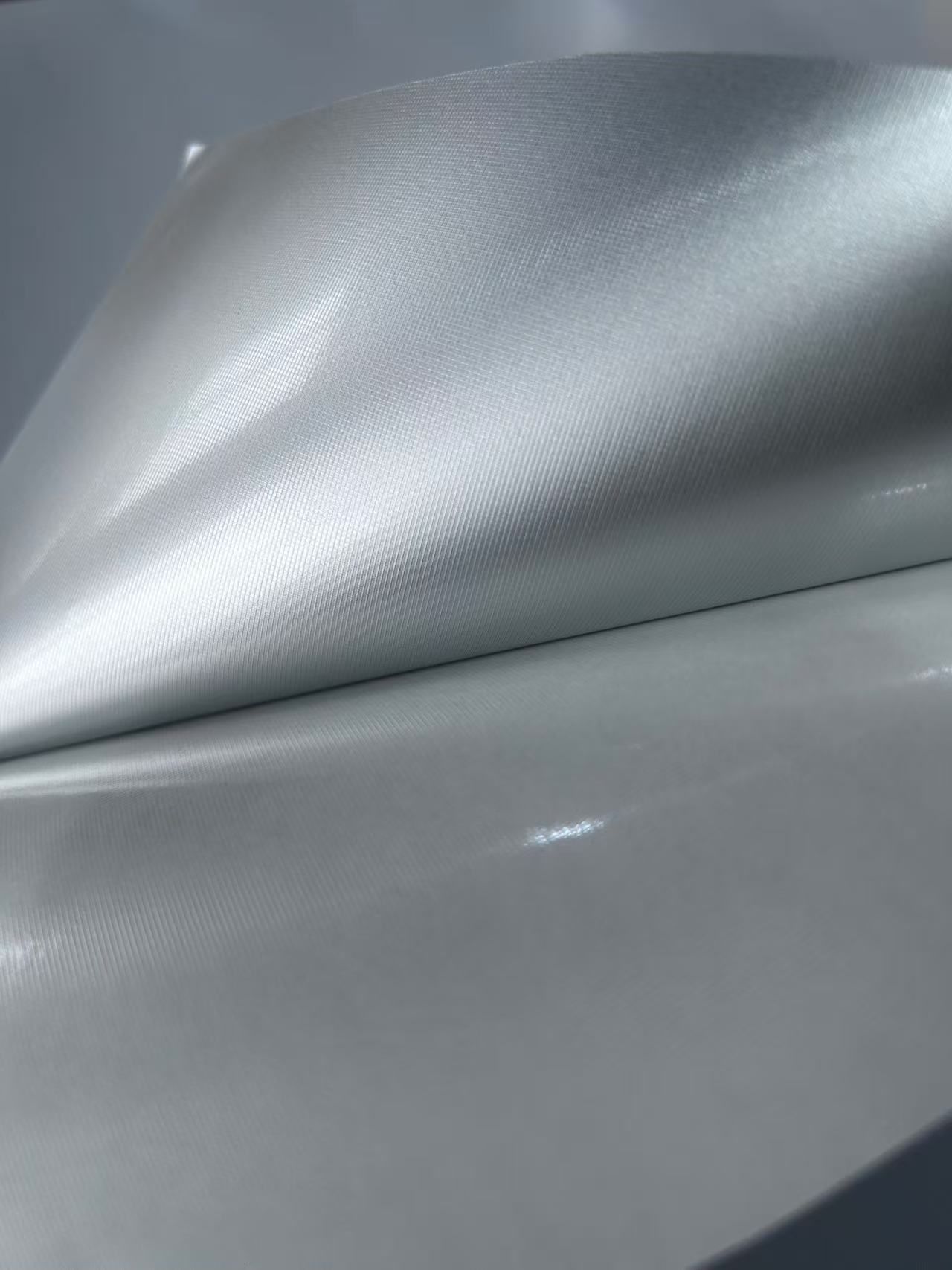
Optimizing PET Flame Retardant Mechanism Through Phosphorus and Nitrogen Additives
Polyethylene terephthalate (PET) is an indispensable material in numerous industries, yet its flammability continues to be a concern. Fortunately, advancements in additive technologies now allow engineers to design fire retardant PET material with significantly enhanced performance. This article explores the synergistic role of phosphorus and nitrogen-based additives in optimizing the PET flame retardant mechanism, offering safe, sustainable solutions for demanding applications.
1. Understanding PET Combustion Behavior
PET, like many other thermoplastics, is susceptible to ignition when exposed to high temperatures. Once ignited, it undergoes thermal decomposition, releasing combustible gases that feed the flame. This self-sustaining combustion process can be interrupted at various stages, which forms the basis of the PET flame retardant mechanism.
Key flame retardant strategies include:
- Reducing heat release
- Forming a physical barrier (char layer)
- Inhibiting free radical activity in the gas phase
- Diluting flammable volatiles with inert gases
Phosphorus and nitrogen-based additives are particularly effective because they act in both the condensed and gas phases.
2. Role of Phosphorus-Based Flame Retardants
Phosphorus additives interrupt combustion in multiple ways:
- Promoting Char Formation: When heated, phosphorus forms polyphosphoric acid, which catalyzes the formation of a stable char on the PET surface.
- Gas Phase Action: Phosphorus radicals quench flame-propagating radicals (H· and OH·), slowing combustion.
- Thermal Stability: Most phosphorus compounds used in PET (e.g., DOPO derivatives, ammonium polyphosphate) are thermally stable and compatible with PET processing.
These effects collectively contribute to a robust PET flame retardant mechanism that enhances safety without compromising performance.
3. Role of Nitrogen-Based Flame Retardants
Nitrogen compounds serve as synergists with phosphorus-based systems and also provide independent flame suppression.
- Gas Dilution: Compounds like melamine decompose to release inert gases (N₂), which dilute oxygen and flammable volatiles.
- Endothermic Decomposition: Melamine-based additives absorb heat, lowering the polymer temperature during combustion.
- Synergistic Char Enhancement: When combined with phosphorus, nitrogen aids in forming thick, cohesive char layers.
The result is a high-performance fire retardant PET material that complies with strict flame retardancy standards.
4. Formulating Synergistic Additive Systems
Advanced flame retardant formulations use combinations of:
- Ammonium polyphosphate (APP)
- Melamine polyphosphate (MPP)
- Pentaerythritol (carbon source)
- Expandable graphite or nanoclays
These ingredients work together to enhance thermal shielding, flame inhibition, and mechanical integrity of the char layer. The right balance allows PET to achieve ratings such as:
- UL 94 V-0
- LOI > 28%
- Reduced smoke generation
5. Performance Benefits
Formulations using phosphorus-nitrogen systems offer several advantages:
- ✅ High Flame Resistance
- ✅ Halogen-Free Compliance (RoHS, REACH)
- ✅ Minimal Smoke and Toxic Gas Emissions
- ✅ Preserved Mechanical Properties
- ✅ Easy Processing in Extrusion and Injection Molding
These features make such fire retardant PET materials ideal for applications requiring both safety and material performance.
6. Real-World Applications
The use of phosphorus-nitrogen synergistic systems in PET has seen strong adoption in:
- Consumer Electronics: Housing and insulation films with low flammability risk
- Electric Vehicles (EVs): Battery separators and cable management components
- Building and Construction: Fire-safe PET films for insulation and protective layers
- Industrial Films: For wire harnessing, flexible circuits, and high-voltage equipment
In all these areas, the robust PET flame retardant mechanism ensures performance under fire exposure.
7. Future Innovations
The next evolution of these additive technologies will likely focus on:
- Nano-dispersed phosphorus compounds for higher efficiency
- Bio-derived nitrogen donors to align with green chemistry principles
- Intelligent flame retardants that activate only under critical conditions
These trends will continue to advance fire retardant PET material into smarter, safer, and more sustainable directions.
Conclusion
The synergy between phosphorus and nitrogen-based additives provides one of the most effective approaches to optimizing the PET flame retardant mechanism. These systems not only reduce ignition risk and flame spread but also ensure that fire retardant PET material meets both performance and environmental standards. As industries evolve, so too will these high-performance, compliant flame retardant systems.
SEO关键词(40组)
PET flame retardant mechanism, fire retardant PET material, phosphorus flame retardants, nitrogen synergist PET, melamine polyphosphate, halogen-free PET film, PET insulation film additives, PET flame suppression, PET electric vehicle insulation, PET film safety standards, non-toxic flame retardants PET, PET cable insulation, smart flame retardant PET, PET for circuit boards, recyclable flame retardant PET, PET building materials, UL 94 V-0 PET film, low smoke PET applications, green PET additives, PET with APP and MPP, char-forming flame retardants PET, PET fire-resistant coatings, PET for EV batteries, endothermic PET retardants, PET flame resistance upgrades, phosphorus-nitrogen synergy, PET film manufacturing safety, eco-friendly PET composites, flame inhibition PET materials, PET anti-drip additives, sustainable flame retardants for PET, PET film halogen-free regulation, nano flame retardants PET, PET film low HRR, PET for thermal insulation, PET for construction fire code, PET flammability testing additives, PET material innovation flame safety, heat shielding PET materials
READ MORE:
- Advanced Strategies for Enhancing PET Flame Retardant Mechanism with Multifunctional Additives
- Comparing Flame Retardant Mechanisms in PET: Traditional vs Additive-Based Solutions
- Engineering Fire Retardant PET Materials: Mechanisms, Challenges, and Innovations
- Flame Retardant Mechanisms of PET with Additive-Based Solutions
Telephone: 008613530419893
E-mail:marie@selfadhesivefilm.com
ADDRESS (Shenzhen):903-286, Building A2, Guangming Technology Park, China Merchants Group, Guanguang Road, Fenghuang Community, Fenghuang Street, Guangming District, Shenzhen, Guangdong.
ADDRESS (Dongguan): 3rd Building No.45 Yinhu Road Shishuikou Community,Qiaotou Town, Dongguan, Guangdong.


